
Investments · Geography
Sheet A-103 · Plan View
§ 01 · Allocation vs. Geography
You own the right things.In the wrong accounts.
Every advisor talks about allocation, because it's the part you can show on a pie chart. Geography is the quieter decision: which account each holding lives in. It's the one nobody owns. Until now.
Step 01
The same holdings, no address yet.
Allocation decides what you own. It says nothing about which account holds it. We call that geography.
Step 02
Three accounts, taxed on their own terms.
Taxable, tax-deferred, tax-free. Each one keeps a different amount of the same return.
Step 03
Every dollar gets an address.
A high-yield bond fund in a brokerage account is one return. The same fund in an IRA is a different one. A growth equity in a Roth is different again.
Step 04
Same portfolio. Different outcome.
The same fund in a different account keeps a different share of what it earns every year. Do that across a whole portfolio, for twenty or thirty years, and the gap compounds.
Most advisors don't think about geography, because tax isn't their job. They send you a 1099 in February and move on. Most CPAs don't think about allocation, because investments aren't their job. They file what happened and move on.
Quantus is both. Every portfolio decision we make is run through a tax lens, because that's the firm we built.
Diag · A1 · General notes
- N1Bonds and high-income assets generally belong in tax-deferred accounts where the income isn't taxed annually.
- N2Growth equities often belong in Roth accounts, where the appreciation will never be taxed.
- N3Tax-efficient index funds can sit in taxable brokerage accounts and produce minimal annual drag.
A simplified view. The actual analysis is specific to your accounts, your bracket, and your timeline.
Sheet A-201 · Specification
§ 02 · The Analysis
You’ll finally know.What your portfolio costs you.
A portfolio costs you in three ways. Tax on what it earns, fees to hold it, and the return you give up because of where things sit. Two of those show up somewhere. The third one never does.
It's a written deliverable, not a sales call. We read every account as one portfolio, through both an investment lens and a tax lens, and we put all three costs in writing. It's a paid piece of work, and it stands on its own. Some people take it and act on it themselves. If you want us to do the work, we manage the portfolio from there, and the structural work that goes with it is part of managing the money.
Schedule · What you leave with
- 01What you actually own. Every account read as one portfolio instead of a drawer of statements. What you hold, where you hold it, and what it costs you to hold it there.
- 02Where each dollar should sit. Asset geography, account by account, against where it sits today.
- 03Where the two collide. The places your investments and your tax situation work against each other, and where after-tax return is being left on the table.
- 04What we'd change. Specific recommendations, ranked in order, with enough detail that you could act on them without us.
The first step is a 30-minute call to see whether the analysis fits your situation.
Sheet A-900 · Stamp Block
§ 03 · The Principals
The people who do the work.One for investments. One for tax.
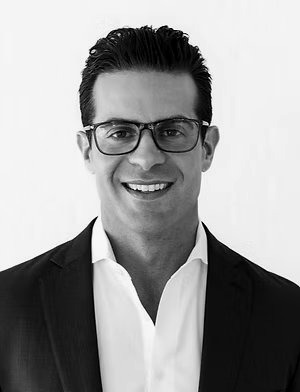
Shaun Eck
Managing Partner · Co-FounderCame from Merrill Lynch and a family office. Runs the investment side.
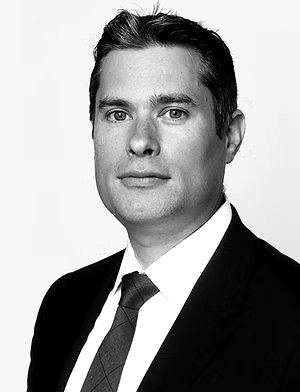
Jordan Frenkel, CPA, MBA
Managing Partner · Co-FounderCame from PwC, hedge funds and Guggenheim Partners. Runs the tax side.
Sheet A-100 · Index
Next step
Next Step
Book a 30-minute call.
We'll figure out whether working together is the right next step for your situation. No sales pitch, no follow-up sequence. Thirty minutes with Shaun and Jordan.